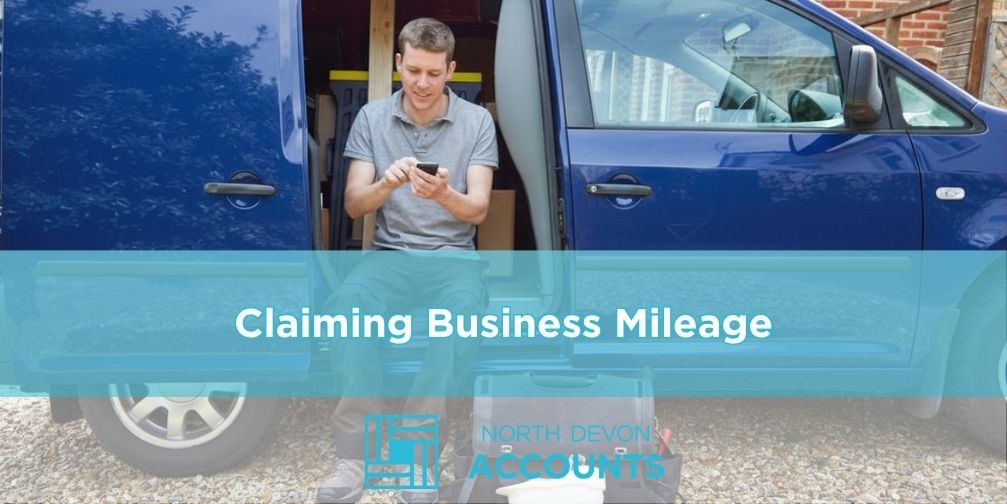
Keeping accurate mileage records could reduce your tax bill and help you stay on the right side of HMRC.
If you use your own vehicle for business, you may be able to claim tax relief on the miles you travel. Many business owners either miss legitimate claims or claim journeys that are not allowable.
What’s changed for 2026/27?
From 6 April 2026, the approved mileage rate for cars and vans increased from 45p to 55p per mile for the first 10,000 business miles each tax year. The change applies to eligible employees and self-employed individuals using their own vehicle for qualifying business journeys.
What counts as business mileage?
Business mileage is travel made wholly and exclusively for your business.
This can include travelling to:
- Clients
- Suppliers
- Temporary workplaces
- Different business locations
- Networking events or training
- Your accountant or bank for business purposes
What cannot be claimed?
Private journeys cannot be claimed, including:
- Travelling from home to your normal workplace
- Shopping trips
- School runs
- Holidays
If a journey combines business and personal travel, only the business element is normally allowable.
How much can you claim?
Business Mileage Rates for 2026/27
|
Vehicle |
Rate |
|
Cars and vans |
55p per mile for the first 10,000 business miles each tax year |
|
Cars and vans |
25p per mile after 10,000 miles |
|
Motorcycles |
24p per mile |
|
Bicycles |
20p per mile |
From 6 April 2026, HMRC increased the approved rate for cars and vans from 45p to 55p per mile for the first 10,000 business miles. The higher rate is backdated to the start of the 2026/27 tax year.
Example
If you drive 8,500 business miles during the tax year:
8,500 × 55p = £4,675
That’s £850 more than would have been claimable under the previous 45p rate.
If you’re eligible to use the mileage method, there’s no need to calculate every fuel expense separately.
Does everyone use the same method?
Not always.
The correct method depends on your circumstances.
- Sole traders often use HMRC’s approved mileage rates.
- Limited company directors can usually claim approved mileage when using their own vehicle for company business.
- Company-owned vehicles follow different rules, with the business normally claiming actual running costs.
Choosing the right method from the start is important, as changing later is not always straightforward.
What records should you keep?
HMRC expects accurate mileage records.
For each business journey, record:
- Date
- Start and finish locations
- Reason for the journey
- Business miles travelled
Many people use a mileage app, spreadsheet or simple mileage log.
Common mistakes
We regularly see business owners:
- Estimating mileage months later
- Claiming ordinary commuting
- Forgetting regular client visits
- Not recording the purpose of journeys
- Mixing business and personal mileage
Keeping records throughout the year makes your tax return much easier.
How North Devon Accounts can help
Claiming business mileage is straightforward when you know the rules.
We help clients:
- Claim the expenses they’re entitled to
- Keep records that satisfy HMRC
- Choose the right method for their business
- Prepare accurate Self Assessment tax returns
- Support directors with business mileage claims
If you’re unsure whether you’re claiming the right amount, we’re happy to help.
Speak to North Devon Accounts today and make sure you’re claiming your business mileage correctly.