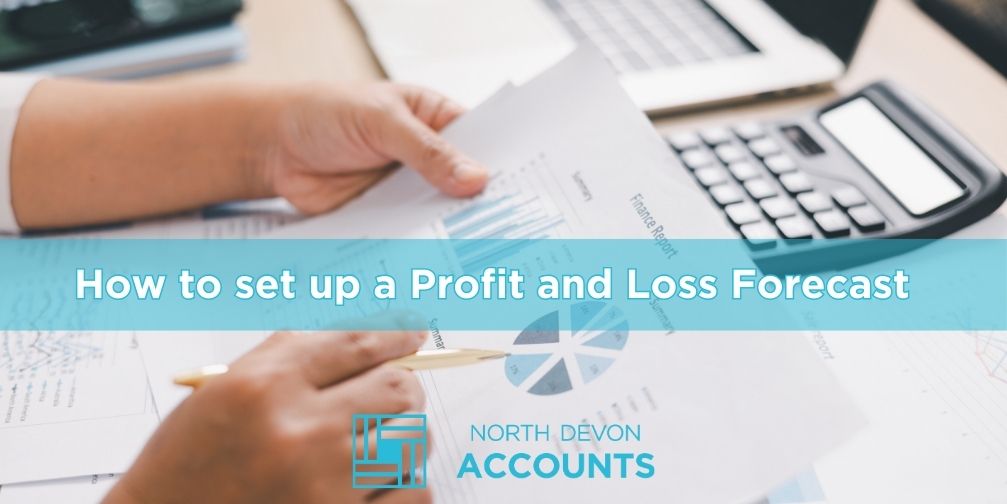
A profit and loss forecast helps you understand where your business is heading financially before the year has finished. It gives you clarity over expected profits, upcoming costs and how sustainable your current plans really are. When done properly, it becomes a practical planning tool rather than a document created once and forgotten.
What a profit and loss forecast actually shows
A profit and loss forecast estimates your income and expenses over a future period, usually the next 12 months. It shows whether the business is expected to make a profit and how that profit changes over time.
Unlike historic accounts, a forecast focuses on what is likely to happen rather than what has already happened. This makes it valuable for planning drawings, salaries, investment and growth.
Start with realistic income expectations
Your forecast should be based on evidence rather than hope. Look at recent trading figures, confirmed work, recurring clients and any known changes coming up. If your business experiences quieter and busier periods, reflect this month by month. Seasonal patterns are easy to overlook but they often explain pressure points later in the year.
Include all business costs
Every cost involved in running the business should be included, even those that only occur once or twice a year. Common expenses include rent, software, insurance, professional fees, marketing, wages and finance repayments.
Separate costs that change with sales from those that stay fairly consistent. This makes it easier to understand how profit will move as income rises or falls.
Allow for tax and owner payments
A forecast is incomplete without tax. Corporation tax, income tax and National Insurance need to be factored in so that profits are not overstated.
If you take drawings or dividends, plan these within the forecast rather than deciding as you go. This approach supports steadier cash flow and avoids surprises later.
Review and update regularly
A profit and loss forecast works best when reviewed on a regular basis. Comparing forecast figures to actual results helps you spot issues early and adjust future months.
Regular updates also allow your accountant to give more meaningful advice throughout the year rather than after deadlines have passed.
Use the forecast to support decisions
Once in place, your forecast can guide decisions about pricing, spending, staffing and investment. It also provides useful evidence for lenders and helps with longer-term tax planning.
Most importantly, it gives you control over the direction of the business rather than reacting when problems appear.
Setting up a profit and loss forecast does not need to be complicated, but it does need to be accurate and tailored to your business. At North Devon Accounts, we help business owners create forecasts that are clear, realistic and useful for everyday decision-making. If you would like support creating or reviewing a profit and loss forecast, speak to North Devon Accounts today. We will help you turn your numbers into a plan that supports the future of your business.